
Senior Care at Home: How Private Duty Nurses Support Aging in Place
- July 19, 2026
- 10 min read
Private Duty Nurse
Table of Contents
- 1. What Does a Private Duty Nurse for Seniors Actually Do?
- 2. Why Demand for This Specialty Is Growing
- 3. A Typical Day in This Specialty
- 4. What Qualifications Do You Need?
- 5. Skills That Set Strong Geriatric Private Duty Nurses Apart
- 6. How to Choose the Right Agency for This Specialty
- 7. How to Choose the Right Agency for This Specialty
- 8. Frequently Asked Questions
- 9. Conclusion
If you have spent time caring for older adults and found it more meaningful than any other part of your nursing work, becoming a private duty nurse for seniors might be the career move worth exploring. This specialty focuses on helping aging patients stay safely and comfortably in their own homes, rather than moving into a facility, and it is one of the fastest-growing areas of nursing right now. This guide walks through what the role actually involves, what qualifications you need, and how to get started in New York.
1. What Does a Private Duty Nurse for Seniors Actually Do?
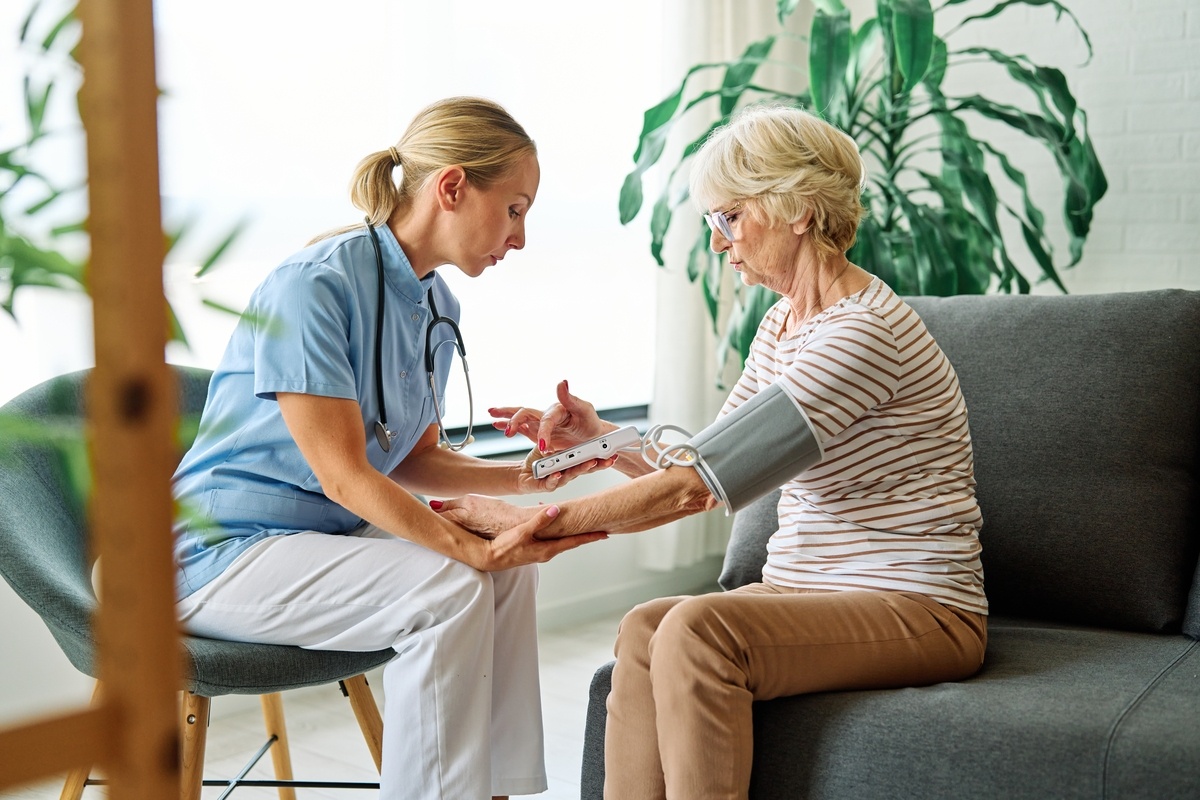
The role centers on one-on-one care inside a senior’s home, rather than managing multiple patients on a unit. This nurse typically supports one client per shift, handling everything from medication management to monitoring chronic conditions like heart disease, diabetes, or COPD. Many clients are recovering from a hospital stay, surgery, or a fall, and need skilled support to safely remain independent at home.
Unlike a home health aide, who assists with non-medical daily tasks, a private duty nurse performs skilled clinical work: administering medications, managing wound care, monitoring vital signs, and recognizing early warning signs that a client’s condition is changing. According to the National Institute on Aging, most older adults want to remain in their own homes as they age, and having access to skilled in-home nursing is often what makes that possible for seniors with more complex medical needs.
2. Why Demand for This Specialty Is Growing
The shift toward home-based senior care is not a small trend. According to the U.S. Bureau of Labor Statistics, employment in home health and personal care occupations is projected to grow much faster than average over the coming decade, driven largely by the aging population and rising rates of chronic illness. For nurses, that growth translates directly into steady job opportunities, particularly for those willing to specialize in geriatric or private duty care.
Families are also increasingly choosing in-home care over assisted living or nursing facilities, both for cost reasons and because most seniors simply prefer staying in a familiar environment. That preference is exactly what is fueling demand for qualified private duty nurses who can provide facility-level skilled care in a home setting.
3. A Typical Day in This Specialty
No two cases look identical, but most shifts involve a consistent set of responsibilities:
- Administering medications and tracking adherence to complex regimens
- Monitoring vital signs and watching for changes in chronic conditions
- Managing wound care, catheters, feeding tubes, or other medical equipment
- Assisting with mobility and fall prevention
- Communicating with family members and the client’s physician about condition changes
- Documenting care accurately for the client’s medical record
Because there is no care team down the hall, private duty nurses working with seniors need to be confident making independent clinical judgments and know when a situation calls for escalating care.
4. What Qualifications Do You Need?
Both RNs and LPNs work in this specialty, though case complexity often determines which license is needed. Cases involving unstable conditions, IV therapy, or complex wound care typically require an RN, while LPNs are frequently placed with clients who have more stable, established care plans. Most agencies look for:
- An active, unencumbered RN or LPN license in New York State
- CPR certification, with additional certifications a plus depending on the case
- Experience working with older adults, whether in a hospital, skilled nursing facility, or home care setting
- Strong communication skills for working directly with clients and their families
- Comfort managing chronic disease conditions independently
Nurses coming from geriatrics, med-surg, or cardiac care often transition well into this specialty, since much of the clinical knowledge carries over directly.
5. Skills That Set Strong Geriatric Private Duty Nurses Apart
Here’s the updated “Skills That Set Strong Geriatric Private Duty Nurses Apart” section restructured with H3 subheadings, copy-paste ready:
Skills That Set Strong Geriatric Private Duty Nurses Apart
Beyond clinical competence, the nurses who do well in this specialty tend to share a few traits.
Patience
Care often moves at the client’s pace rather than a hospital’s schedule. Tasks that would take minutes in a fast-paced unit, like helping someone get dressed or move safely across a room, can take much longer with an aging client, and rushing can undermine both safety and trust.
Building Trust Quickly
You are often the only clinical presence a family sees regularly, which means the relationship you build matters as much as the clinical care itself. Families are trusting you with a parent or spouse’s daily wellbeing, and that confidence has to be earned early, not assumed.
Recognizing Subtle Changes
Noticing small shifts in an older adult’s condition, changes that a less experienced eye might miss, is a skill that develops specifically from working closely with seniors over time. A slightly different gait, a change in appetite, or a shift in mood can be early signs of something that needs attention before it becomes an emergency.
6. How to Choose the Right Agency for This Specialty
Not every home care agency handles geriatric private duty cases the same way. Some offer minimal support once you are placed with a client, while others invest in the structure that makes this specialty sustainable. Knowing how to choose a private duty nursing agency that actually supports nurses working with medically complex seniors can make a significant difference in how rewarding this work feels long term.
Clinical Supervision and Support
Look for an agency that offers real clinical backup, not just a phone number for emergencies. Geriatric cases can shift quickly, and having a supervisor or clinical coordinator you can actually reach when a client’s condition changes matters more in this specialty than almost any other.
Case Matching Based on Experience
Strong agencies take the time to match you with cases that fit your background, whether that’s cardiac care, wound management, or general geriatric experience. Being placed with a client whose needs align with your skill set makes the work safer for the patient and far less stressful for you.
Responsiveness When Conditions Change
Aging clients can decline gradually or suddenly, and the best agencies have a clear, fast process for adjusting care plans, requesting additional hours, or escalating concerns to the client’s physician. An agency that is slow to respond puts both you and your client at a disadvantage.
7. How to Choose the Right Agency for This Specialty
Opportunities in this specialty are steady across New York City, with strong demand tied directly to the city’s aging population. Nurses interested in specializing can explore current private duty nurse jobs to see what cases are currently available, and those specifically drawn to geriatric care in the city can look into openings for a private duty nurse in NYC to find cases that match their experience and location preferences.
8. Frequently Asked Questions
What is the difference between a private duty nurse for seniors and a home health aide?
A private duty nurse is a licensed RN or LPN who performs skilled medical tasks, including medication management, wound care, and monitoring chronic conditions. A home health aide provides non-medical support, such as help with bathing or meal preparation, and does not perform skilled nursing tasks.
Do I need geriatric-specific experience to work in this specialty?
It helps, but many nurses transition into this specialty from med-surg, cardiac care, or skilled nursing facility backgrounds. What matters most is comfort managing chronic conditions and working independently.
Can LPNs work as private duty nurses for seniors, or is this an RN-only role?
LPNs regularly work in this specialty, typically with clients who have stable, well-established care plans. RNs are more often placed with clients who have unstable conditions or require more complex clinical judgment.
How many hours does a typical case involve?
Shift length varies widely by case. Some clients need a few hours of daily support, while others require 8, 12, or even live-in coverage. Full-time, part-time, and per diem schedules are usually available.
Is becoming a private duty nurse for seniors a good long-term career move?
Given the pace of growth in home-based senior care, many nurses find this specialty offers strong job security, flexible scheduling, and the kind of one-on-one patient relationships that are harder to find in hospital settings.
9. Conclusion
Becoming a private duty nurse for seniors offers a path into meaningful, one-on-one clinical work at a time when demand for this specialty is only growing. If you are drawn to helping older adults stay safely and independently in their own homes, this is a strong moment to explore what the specialty involves and where current opportunities exist.
Take the next step and explore how to choose the right agency for this kind of work, then browse current openings to find a case that fits your experience and goals.
Key Takeaways
- A private duty nurse for seniors provides one-on-one, in-home skilled care to an aging adult, often supporting them through chronic illness or recovery.
- Demand for this specialty is rising quickly as the population ages and more seniors choose to stay in their own homes.
- Both RNs and LPNs can work in this field, with responsibilities varying by license and case complexity.
- The role requires strong clinical judgment, patience, and comfort working independently.
- New York offers steady opportunities across the city for nurses interested in geriatric home care.
READY TO SPECIALIZE IN GERIATRIC HOME CARE?
Helping seniors stay safe and independent at home takes real clinical skill and patience, and demand for nurses who can do it well keeps growing. If this specialty sounds like the right fit, our team can help match you with a case that fits your experience.
Disclaimer: This article is for general informational purposes only and does not constitute professional medical or career advice. Nursing scope of practice, agency protocols, and state regulations vary. Always follow the guidelines of your licensing board and employing agency.