

What LPNs Should Know About Working With Elderly Patients at Home
- Nursing Done Right
- October 25, 2026
- 11 min read
LICENSED PRACTICAL NURSE
Table of Contents
- 1. Why LPN Elderly Patient Care in Home Settings Requires a Different Approach
- 2. Understanding the Most Common Conditions You Will Encounter
- 3. How to Conduct a Thorough Assessment of an Elderly Home Care Patient
- 4. Medication Management for Elderly Patients in Home Care
- 5. Fall Prevention and Home Safety in Elderly Home Care
- 6. Communicating Effectively With Elderly Patients and Their Families
- 7. Recognizing and Responding to Cognitive Decline During Home Visits
- 8. Documenting Elderly Patient Care Accurately and Completely
- 9. Where to Find LPN Elderly Patient Care Roles in NYC
- 10. Frequently Asked Questions
- 11. Conclusion
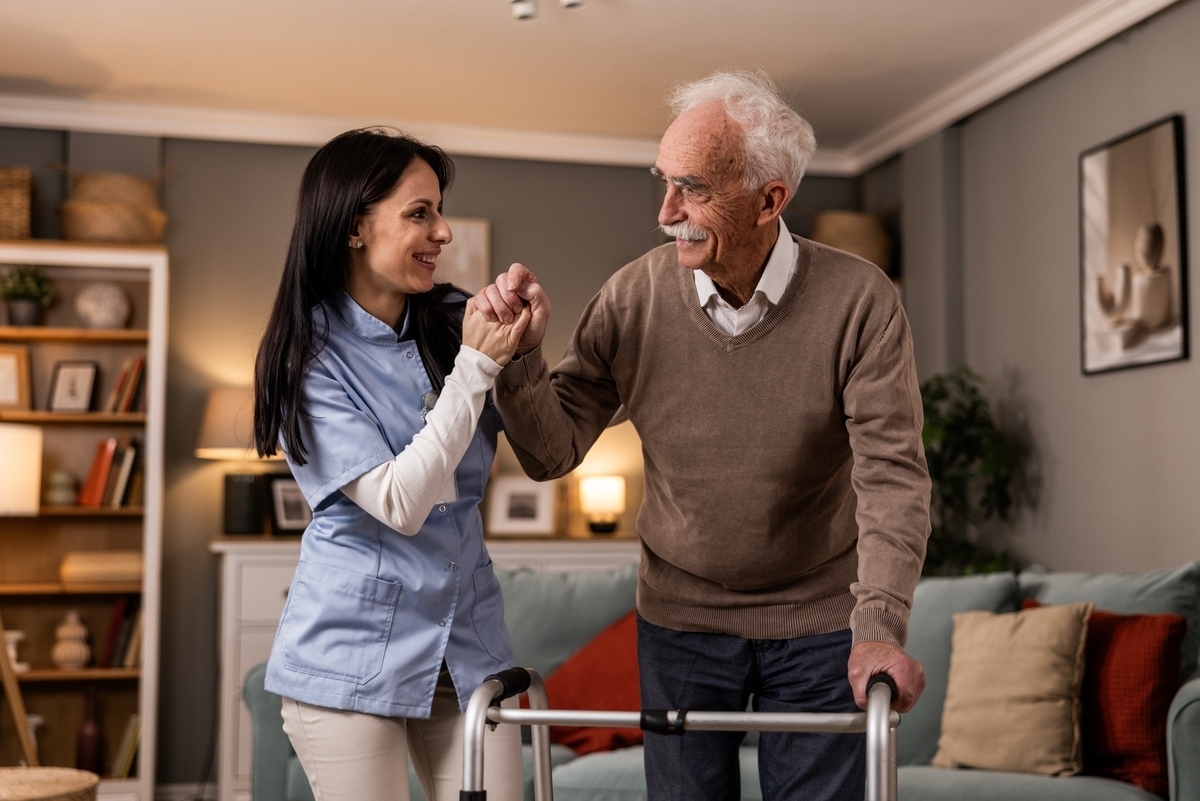
If you are an LPN working in home care, there is a strong chance that the majority of your patients will be elderly. Working with elderly patients at home is one of the most rewarding dimensions of LPN elderly patient care, and one of the most clinically demanding. Unlike younger patients who may recover quickly and require short-term care, elderly home care patients often manage multiple chronic conditions simultaneously, take complex medication regimens, and face functional challenges that require a nurse who understands not just the clinical picture but the person behind it.
Before your first visit with any elderly home care patient, preparation makes a measurable difference in how the visit goes. Our guide on preparing for your first home care patient as an LPN walks you through exactly what that preparation looks like. This guide builds on that foundation, covering everything an LPN needs to know to provide safe, effective, and respectful care to elderly patients across every dimension of the home care role.
1. Why LPN Elderly Patient Care in Home Settings Requires a Different Approach
Caring for elderly patients at home is fundamentally different from caring for them in a hospital or long-term care facility. In a facility, the environment is designed for clinical care. Equipment is accessible, colleagues are nearby, and protocols are posted on walls. In a home setting, you are working inside the patient’s private space with their personal rhythms, their family dynamics, and their decades of established preferences about how they want to live and be treated.
This context matters clinically. An elderly patient who feels comfortable and respected in their own space tends to be more cooperative with care, more honest about symptoms, and more adherent to the care plan than one who feels like a subject being managed rather than a person being helped. LPN elderly patient care in the home is most effective when it accounts for that dynamic from the first visit.
The clinical demands are also higher than they might initially appear. Elderly patients in home care settings are often more medically complex than they look on paper. Multiple diagnoses interact with each other. Medications prescribed for one condition affect the management of another. Functional limitations that were stable can deteriorate quickly and without obvious cause. An LPN in this setting needs to be observant, thorough, and consistent in ways that make a real difference to patient outcomes over time.
2. Understanding the Most Common Conditions You Will Encounter
Effective LPN elderly patient care starts with clinical knowledge of the conditions you are most likely to manage. Elderly home care patients in New York City commonly present with one or more of the following:
Congestive Heart Failure (CHF)
CHF is among the most common diagnoses in elderly home care populations. Patients require regular weight monitoring, fluid balance tracking, and prompt reporting of symptoms including increased shortness of breath, rapid weight gain, or worsening edema.
Chronic Obstructive Pulmonary Disease (COPD)
COPD patients need respiratory assessments on every visit, oxygen saturation monitoring, and close observation for signs of exacerbation including increased breathlessness, change in sputum, or decreased exercise tolerance.
Type 2 Diabetes
Diabetes management in the home setting involves blood glucose monitoring, insulin administration where ordered, foot care, and patient education on dietary patterns and hypoglycemia recognition.
Hypertension
Blood pressure measurement and trending is a standard component of most elderly home care visits. Nurses should know each patient’s baseline range and escalate readings that fall significantly outside it.
Dementia and Cognitive Decline
Dementia presents across a wide spectrum in home care patients. LPNs need to understand how to communicate effectively with patients at different stages, recognize new or worsening cognitive symptoms, and document behavioral changes accurately.
Osteoporosis and Fall Risk
Elderly patients with osteoporosis face elevated fracture risk from falls. Fall prevention assessment is a standard part of every first visit and should be revisited whenever the patient’s functional status changes.
Pressure Injuries and Chronic Wounds
Patients with limited mobility, diabetes, or vascular disease are at high risk for pressure injuries and chronic wounds requiring regular assessment, dressing changes, and accurate documentation of wound progression.
3. How to Conduct a Thorough Assessment of an Elderly Home Care Patient
Assessment in LPN elderly patient care is more comprehensive than in many other nursing settings because the patient’s environment, functional status, and social situation are all clinically relevant in ways they are not in a facility.
A thorough home visit assessment for an elderly patient includes:
- Vital signs — blood pressure, heart rate, respiratory rate, temperature, and oxygen saturation, compared to the patient’s documented baseline rather than age-general norms
- Weight — particularly important for CHF and renal patients where rapid weight changes signal fluid shifts
- Skin assessment — checking for new pressure injuries, wound changes, bruising, or skin breakdown, particularly in areas that were previously unremarkable
- Respiratory assessment — breath sounds, breathing effort, and any changes from the previous visit
- Neurological baseline — orientation, alertness, and any changes in cognition or behavior from the patient’s established pattern
- Functional status — mobility, ability to perform activities of daily living, and any changes that suggest increased fall risk or decreased independence
- Medication review — confirming the patient is taking medications as prescribed and identifying any concerns about side effects, missed doses, or new medications added since the last visit
- Home environment — a brief scan for new safety hazards, particularly changes in mobility aids, flooring, lighting, or access to medications
Document every component of this assessment at every visit. Changes that seem minor in isolation can be clinically significant when tracked across multiple visits.
4. Medication Management for Elderly Patients in Home Care
Medication management is one of the highest-stakes responsibilities in LPN elderly patient care. Elderly patients are disproportionately affected by polypharmacy, which refers to the simultaneous use of multiple medications and the increased risk of drug interactions, side effects, and dosing errors that comes with it.
According to the National Institute on Aging, older adults take more medications on average than any other age group, and the risk of adverse drug events increases significantly with each additional medication added to a regimen.
Key medication management responsibilities for LPNs in elderly home care:
- Administer all medications exactly as ordered, including the correct dose, route, and timing without exception
- Review the patient’s full medication list on every visit and note any new additions or changes since the last visit
- Monitor for and document common signs of adverse drug reactions in elderly patients including dizziness, confusion, nausea, unusual fatigue, or changes in blood pressure
- Educate patients and family members on the purpose and correct administration of each medication in language they can understand
- Report any medications that appear to be running low, any doses the patient reports missing, or any patient refusal of medications to your supervising RN the same day
- Never administer a medication that is not on the documented care plan, regardless of what the patient or family requests
Polypharmacy-related complications are a leading cause of hospitalization in elderly patients and a frequent source of clinical deterioration in home care populations. Diligent medication management is one of the most impactful things an LPN can do to keep elderly home care patients safe between physician visits.
5. Fall Prevention and Home Safety in Elderly Home Care
Falls are the leading cause of injury and injury-related death among older adults in the United States. According to the Centers for Disease Control and Prevention, one in four older adults falls each year, and falls among older adults result in more than 36 million injuries annually. In a home care setting, the LPN is often the most consistent clinical presence in the patient’s life, which makes fall prevention a direct nursing responsibility.
Fall prevention in LPN elderly patient care includes:
- Conducting a home safety assessment on every first visit and revisiting it whenever the patient’s functional status changes
- Identifying and documenting specific environmental hazards including loose rugs, poor lighting, cluttered walkways, absence of grab bars in the bathroom, and uneven flooring
- Assessing the patient’s fall risk using the care plan criteria and documenting the assessment at each visit
- Educating patients and family members on safe transfer techniques, appropriate use of mobility aids, and when to call for assistance
- Reporting any new fall, near-fall, or change in the patient’s gait or balance to your supervising RN the same visit
- Ensuring that frequently needed items including medications, phone, and water are within reach so the patient does not need to make risky trips between visits
A fall that occurs between nursing visits is not automatically a failure of home care nursing, but an LPN who documents fall risk consistently, communicates hazards promptly, and educates families effectively significantly reduces the likelihood that one will occur.
6. Communicating Effectively With Elderly Patients and Their Families
Communication in LPN elderly patient care requires adjustments that many nurses do not fully anticipate until they are in the home. Elderly patients may have hearing loss, vision impairment, cognitive changes, or cultural communication preferences that make standard clinical communication inadequate.
Practical communication adaptations for elderly home care patients:
- Face the patient directly when speaking and at eye level rather than talking while performing a task or standing above them
- Speak clearly and at a moderate pace without raising your volume unless the patient is hard of hearing, in which case speaking more slowly and clearly is usually more effective than shouting
- Use simple, direct language and avoid medical jargon unless you immediately explain what it means
- Confirm understanding by asking the patient to repeat back key information rather than asking “do you understand?” which rarely reveals actual gaps in comprehension
- Allow more time for responses than you would with a younger patient, since cognitive processing and physical response can both slow with age
- Be consistent in your communication patterns from visit to visit, since familiarity reduces anxiety and builds the trust that makes patients more likely to share concerns they might otherwise hold back
Family communication in LPN elderly patient care also requires skill and professional clarity. Family members who are not authorized to receive health information still need to be acknowledged and engaged appropriately. Establishing clear communication boundaries early prevents misunderstandings and protects both the patient and the nurse professionally.
7. Recognizing and Responding to Cognitive Decline During Home Visits
Cognitive changes in elderly home care patients are among the most clinically significant observations an LPN can make and one of the most frequently underreported. Because LPNs see their patients regularly and build familiarity with each patient’s baseline, they are often the first clinician to notice that something has changed cognitively.
Signs that warrant documentation and escalation to your supervising RN include:
- New or worsening confusion that is not consistent with the patient’s documented baseline
- Disorientation to time, place, or person that was not present on previous visits
- Increased agitation, anxiety, or behavioral changes without a clear environmental cause
- Difficulty following instructions that the patient was previously able to follow without issue
- Evidence of self-neglect including missed medications, inadequate nutrition, or poor hygiene that was not present previously
- Statements or behavior suggesting the patient may not be safe alone between nursing visits
It is important to distinguish between acute cognitive changes, which can signal a medical emergency such as infection, medication reaction, or stroke, and the slower progression of a documented dementia diagnosis. Acute changes require immediate escalation. Progressive changes require careful, consistent documentation that gives the care team a clear clinical picture over time.
8. Documenting Elderly Patient Care Accurately and Completely
Documentation in LPN elderly patient care is the clinical record that protects the patient, protects the nurse, and gives the supervising care team the information they need to make sound decisions between visits. In a setting where the LPN is often the primary clinical observer, incomplete or delayed documentation creates real gaps in patient safety.
Documentation standards for elderly home care patients:
- Record every vital sign with the exact time it was taken and note any deviation from the patient’s documented baseline
- Document wound and skin assessments with objective descriptive language including size, color, drainage, and odor where applicable
- Record all medications administered including dose, route, time, and the patient’s response
- Note any patient or family concerns raised during the visit, even if they seem minor, since patterns of concern can be clinically significant
- Document cognitive and behavioral observations using specific, behavioral language rather than subjective impressions
- Record any fall risk assessment conducted and any environmental safety concerns identified or reported
- Submit documentation the same day, every visit, without exception
The standard for documentation in home care is the same as it is in any clinical setting: if it was not documented, it was not done. In LPN elderly patient care, where clinical changes can be subtle and cumulative, consistent same-day documentation is one of the most important professional habits an LPN can build.
9. Where to Find LPN Elderly Patient Care Roles in NYC
New York City has one of the largest and most active elderly home care populations in the country. With over 1.8 million residents aged 65 and older spread across all five boroughs, the demand for experienced LPNs who can provide skilled, consistent care to elderly patients at home is steady and growing year-round.
Nursing Done Right places LPNs in quality home care assignments across New York City and Westchester County through Z Best Home Care. Our coordinators work to match nurses with cases that fit their clinical background, their schedule, and their geographic preferences. Whether you are an experienced LPN looking to deepen your work with elderly patients or a newer nurse building your home care foundation, we have cases that fit.
Visit our LPN jobs NYC page for a full overview of available roles across all five boroughs, or check our LPN jobs in the Bronx page if you are based in the borough and want assignments close to home.
10. Frequently Asked Questions
Do I need special training to work with elderly patients as an LPN in home care?
No specific certification is required, but familiarity with the conditions most common in elderly populations including CHF, COPD, diabetes, dementia, and fall risk management is essential. Many LPNs develop this knowledge through clinical rotations and early case experience. Certifications in wound care or dementia care strengthen your candidacy for complex elderly home care cases.
How do I handle an elderly patient who refuses medication during a visit?
Acknowledge the refusal calmly, provide clear information about the medication’s purpose and the risk of skipping it, and document the refusal including the patient’s stated reason. Contact your supervising RN the same day and follow the care plan’s escalation protocol. Never attempt to administer a medication a patient has refused.
What do I do if I notice signs of elder abuse or neglect during a home visit?
You are a mandated reporter in New York State. If you observe signs of abuse, neglect, or exploitation during a home care visit, you are legally required to report it to the New York State Adult Protective Services hotline. Document your observations in factual, objective language and notify your agency coordinator and supervising RN the same day.
How do I manage a home care visit when a patient with dementia becomes agitated or uncooperative?
Remain calm and lower the stimulation level in the environment where possible. Use a quiet, reassuring tone and simple, direct language. Avoid arguing or correcting the patient’s misperceptions directly. If the agitation is severe or involves risk of self-harm, contact your supervising RN immediately. Document the incident in full after the visit.
How often should I conduct a fall risk assessment for an elderly home care patient?
A fall risk assessment should be completed on the first visit with any new patient and revisited at every visit where the patient’s functional status, environment, or medication regimen has changed. If the patient has had a fall or near-fall since the last visit, a full reassessment is required regardless of when the previous one was completed.
11. Conclusion
Working with elderly patients at home is one of the most clinically rich and personally meaningful dimensions of LPN practice. It demands clinical rigor, careful assessment, consistent medication management, diligent documentation, and sound escalation judgment. It also demands something harder to teach: the ability to see each patient as a person with a life and a history, not just a diagnosis and a care plan. The LPNs who thrive in this work are the ones who bring both, consistently, on every visit.
Key Takeaways
- LPN elderly patient care in home settings requires clinical rigor and interpersonal attentiveness that facility-based nursing rarely demands in the same way
- The most common conditions in elderly home care include CHF, COPD, diabetes, hypertension, dementia, fall risk, and chronic wounds. Clinical familiarity with all of them is essential
- Medication management is one of the highest-stakes responsibilities in elderly home care, and polypharmacy-related complications are a leading cause of hospitalization in this population
- Falls are the leading cause of injury in older adults. Fall prevention assessment and home safety monitoring are direct nursing responsibilities on every visit
- Cognitive changes in elderly patients require specific, behavioral documentation and prompt escalation whenever they represent a departure from the patient’s established baseline
- Same-day, complete documentation is non-negotiable in elderly home care. The LPN is often the primary clinical observer, and documentation gaps create real patient safety risks
READY TO WORK WITH ELDERLY PATIENTS IN NYC HOME CARE?
Nursing Done Right places LPNs in quality home care assignments across New York City and Westchester County through Z Best Home Care. If you are ready to build your career in elderly home care nursing, our coordinators are ready to match you with the right case.
Disclaimer: This article is for general informational purposes only and does not constitute clinical or legal advice. All nursing practice should follow your agency’s established protocols, your supervising RN or physician’s direction, and the scope of practice defined by your New York State LPN license. Mandated reporting obligations vary by jurisdiction — consult your agency and applicable state law for guidance specific to your situation.