
What Is Pediatric Private Duty Nursing and How Does It Work?
- July 5, 2026
- 10 min read
Private Duty Nurse
Table of Contents
- 1. What Is Pediatric Private Duty Nursing?
- 2. Who Needs This Level of Home Care?
- 3. A Day in the Life of a Pediatric Private Duty Nurse
- 4. What Qualifications Do You Need?
- 5. How This Role Compares to Hospital Pediatric Nursing
- 6. Where Pediatric Private Duty Nurses Work in New York
- 7. Frequently Asked Questions
- 8. Conclusion
If you are a licensed nurse exploring new career paths, you may have come across the term pediatric private duty nursing and wondered what the job actually involves day to day. Unlike hospital nursing, this specialty means providing one-on-one, in-home care to a single child with a chronic illness, disability, or medical complexity. It is a specialized, deeply personal type of care that many RNs and LPNs find more rewarding than shift work on a busy pediatric floor. In this guide, you will learn what the role includes, what qualifications you need, and how this career path compares to other nursing options available in New York.
1. What Is Pediatric Private Duty Nursing?
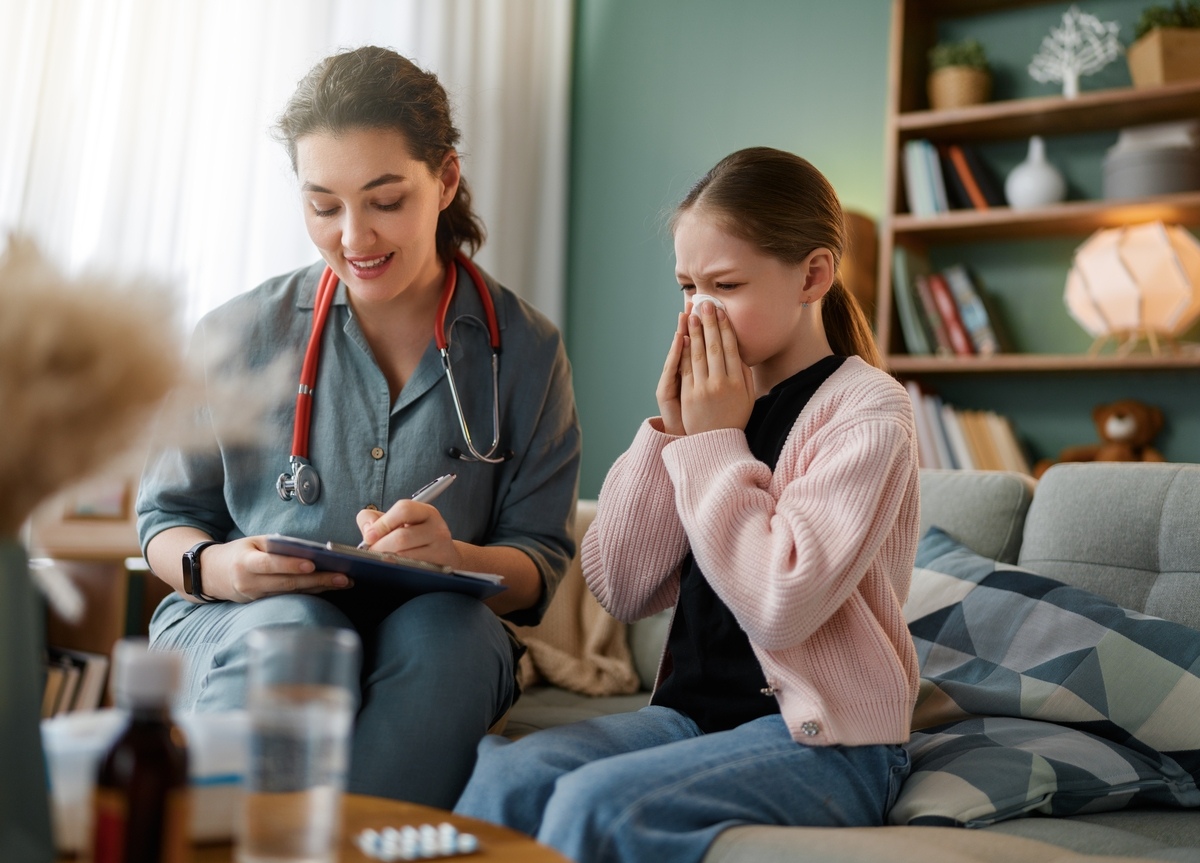
This career path is a form of skilled, one-on-one nursing care delivered inside a child’s home rather than a hospital or clinic. A private duty nurse is assigned to a single patient, usually a child with a complex or chronic medical condition, and provides hands-on care during scheduled shifts. This differs sharply from hospital nursing, where one nurse manages several patients across a unit. In this type of role, the nurse’s full attention belongs to one child and one family for the length of the shift.
Children who receive this level of home care often have conditions such as cerebral palsy, muscular dystrophy, congenital heart defects, traumatic brain injuries, or genetic disorders that require ongoing medical support. Some children are ventilator-dependent. Others need tube feedings, tracheostomy care, seizure monitoring, or medication administration multiple times per shift.
2. Who Needs This Level of Home Care?
Families typically qualify through Medicaid’s Early and Periodic Screening, Diagnostic, and Treatment (EPSDT) benefit, which covers medically necessary services for children under 21. According to Medicaid.gov, the EPSDT benefit requires states to provide any medically necessary treatment service for eligible children, including private duty nursing, once a physician documents the need. This benefit allows children with complex needs to be cared for at home instead of in a hospital or long-term care facility, which supports better developmental outcomes and keeps families together.
3. A Day in the Life of a Pediatric Private Duty Nurse
No two shifts look exactly alike, but most shifts in pediatric private duty nursing include a consistent set of responsibilities:
- Monitoring vital signs, oxygen saturation, and overall condition throughout the shift
- Administering medications, tube feedings, and prescribed treatments on schedule
- Managing medical equipment such as ventilators, suction machines, or feeding pumps
- Documenting care accurately for the family, physician, and managing agency
- Coordinating with parents, therapists, and the child’s care team
- Responding quickly to changes in condition or medical emergencies
Because the nurse works inside the family’s home, communication and trust matter as much as clinical skill. Parents are often present for at least part of the shift, and building a working relationship with the family is part of the job.
4. What Qualifications Do You Need?
Both Registered Nurses (RNs) and Licensed Practical Nurses (LPNs) can work in this field, though the scope of practice differs. RNs typically manage more complex cases involving ventilators or unstable medical conditions, while LPNs often provide care for children with more stable, established care plans. Most agencies require:
- An active, unencumbered RN or LPN license in New York State
- CPR certification, and often pediatric-specific certifications such as PALS
- Experience with pediatric patients, home care, or specialty conditions such as trach and vent care
- Comfort working independently, without a full care team physically present
- Strong communication skills for working directly with families
New nurses sometimes start in a hospital pediatric unit to build experience before transitioning into this type of home care, though it is not always required.
5. How This Role Compares to Hospital Pediatric Nursing
The scope of tasks also differs in meaningful ways. In a hospital setting, nurses rotate responsibilities with aides, therapists, and specialists who may handle feeding, repositioning, or therapy sessions. In private duty, the nurse on shift is often the primary point of contact for all of it such as administering medications, managing feeding tubes or ventilators, documenting care, and communicating directly with the family in real time. That breadth of responsibility is part of what makes private duty nursing a strong fit for nurses who want to stay clinically sharp without the pace and unpredictability of a hospital floor.
Families also tend to play a more active role in care decisions in the private duty setting. Parents and guardians are often present during shifts, have strong preferences about routines, and may have been managing their child’s care for years before a nurse ever enters the picture. Building trust with a family is its own skill set, and nurses who thrive in this specialty tend to be as strong in communication and adaptability as they are in clinical technique.
The documentation requirements differ as well. Private duty nurses typically complete detailed shift notes that go directly to the prescribing physician and the home health agency, with no charge nurse to review or cosign in most cases. That level of independent accountability is something nurses either find empowering or prefer to avoid and knowing which camp you fall into is one of the most useful things to consider before making the move from hospital to home.
6. Where Pediatric Private Duty Nurses Work in New York
Opportunities exist across New York City, including dedicated placements for private duty nurse in NYC and surrounding boroughs. In the Bronx specifically, families and agencies are actively seeking qualified RNs and LPNs for private duty nurse jobs in the Bronx, NY to support children with complex home care needs. If you are ready to explore open positions, current private duty nurse jobs are updated regularly as new families and cases become available.
Working through a nursing agency like Nursing Done Right makes it easier to find the right match, since agencies typically handle case screening, family introductions, and scheduling on your behalf. Coverage extends beyond the Bronx to Manhattan, Brooklyn, Queens, and Staten Island, so nurses can often find cases close to home rather than commuting across the city. Agencies also maintain ongoing relationships with families, which means new cases open up regularly as children’s needs change or as families add coverage hours.
7. Frequently Asked Questions
What is the difference between pediatric private duty nursing and home health aide care?
A private duty nurse is a licensed RN or LPN who performs skilled medical tasks such as medication administration, tube feedings, and ventilator management. A home health aide provides non-medical support, such as help with daily activities, and cannot perform skilled nursing tasks. This specialty requires a nursing license; home health aide work does not.
Can an LPN work in this field?
Yes. LPNs regularly work in this specialty, typically caring for children with stable, well-established care plans. RNs are more often assigned to cases involving ventilators or frequently changing medical needs, but LPN roles are common and in demand.
How many hours does a private duty nurse typically work?
Shift length varies by case and family need. Many cases offer 8, 12, or even 16-hour shifts, and some families need overnight or weekend coverage. Full-time, part-time, and per diem schedules are usually available.
Do you need pediatric experience to get started?
It helps, but it is not always required. Some agencies provide training for nurses transitioning from adult care or hospital settings into pediatric home care, especially when the nurse has strong general skills and completes any required pediatric certifications.
Is this type of care covered by insurance?
In most cases, pediatric private duty nursing is covered through Medicaid’s EPSDT benefit when a physician documents medical necessity. Some private insurance plans also cover private duty nursing, though coverage and hours approved vary by state and plan.
8. Conclusion
Pediatric private duty nursing offers a meaningful, specialized path for RNs and LPNs who want to build a real relationship with one patient and family rather than managing a full unit. The work is demanding, but many nurses find the one-on-one setting more personally rewarding than traditional hospital shifts. If this sounds like the right next step for your nursing career, explore current private duty nurse jobs to see what openings are available near you.
Key Takeaways
- This type of care provides one-on-one, in-home skilled nursing to a single child with complex medical needs.
- Both RNs and LPNs can work in this specialty, though scope of duties varies by license.
- The role often includes managing ventilators, feeding tubes, tracheostomies, or seizure protocols in the family’s home.
- Demand for private duty nurses is growing as more families choose in-home care over facility-based care.
- New York offers opportunities across the five boroughs, including NYC and the Bronx.
READY TO BUILD YOUR CAREER IN PEDIATRIC HOME CARE?
Working one-on-one with a child and family builds clinical skills, patient trust, and independence you won’t find on a busy hospital floor. If pediatric private duty nursing sounds like the right fit, our team is ready to match you with a case.
Disclaimer: This article is for general informational purposes only and does not constitute medical, legal, or employment advice. Licensure requirements, Medicaid coverage, and job qualifications can vary and change over time. Please confirm current requirements with the New York State Education Department’s Office of the Professions and consult your employer or a qualified professional for guidance specific to your situation.