
What Can an LPN Do in a Home Care Setting?
If you are a licensed practical nurse exploring LPN home care as a career option, one of the first questions you probably have is what the role actually looks like day to day. What tasks are you responsible for? What falls outside your scope? How does working in a patient’s home compare to a clinical facility?
Understanding exactly what you can and cannot do is essential before stepping into the role. This guide breaks it down clearly and practically so you know what to expect from your very first shift.
What LPN Home Care Work Actually Involves
A licensed practical nurse in home care delivers hands-on nursing support to patients in their homes under the direction of a registered nurse or physician. The role is direct, patient-centered, and clinically meaningful.
According to SelectCare NYC, a licensed practical nurse is a health care professional licensed to deliver in-home nursing care under the direction of the registered nurse. LPNs are qualified to perform nursing tasks that require licensure such as medication administration, wound care, tracheostomy care, Foley catheter insertion, and other nursing tasks as directed by the registered nurse.
LPN home care work is relationship-driven. You see the same patient consistently, you learn their baseline, and you become a familiar and trusted presence in their home. That continuity is something clinical settings rarely provide.
What Can an LPN Do in Home Care?
The scope of LPN home care practice covers a meaningful range of clinical and supportive tasks. Here is what you are qualified to do:
Medication Administration You administer oral medications and injections as prescribed and directed. You document every administration and monitor the patient for any reactions or changes after each dose.
Vital Signs Monitoring You record blood pressure, heart rate, respiratory rate, temperature, and oxygen saturation at regular intervals. You track these over time and report any meaningful changes to your supervising RN promptly.
Wound Care You change dressings, assess wound healing progress, and document wound condition at each visit. You escalate concerns to the RN when healing is not progressing as expected or when wound appearance changes significantly.
Catheter Care You perform Foley catheter insertion and ongoing catheter management as directed. This is a core clinical task in home care for patients with urological or mobility-related needs.
Tracheostomy Care For patients with tracheostomies, you perform suctioning, cleaning, and monitoring as part of your care responsibilities on every applicable shift.
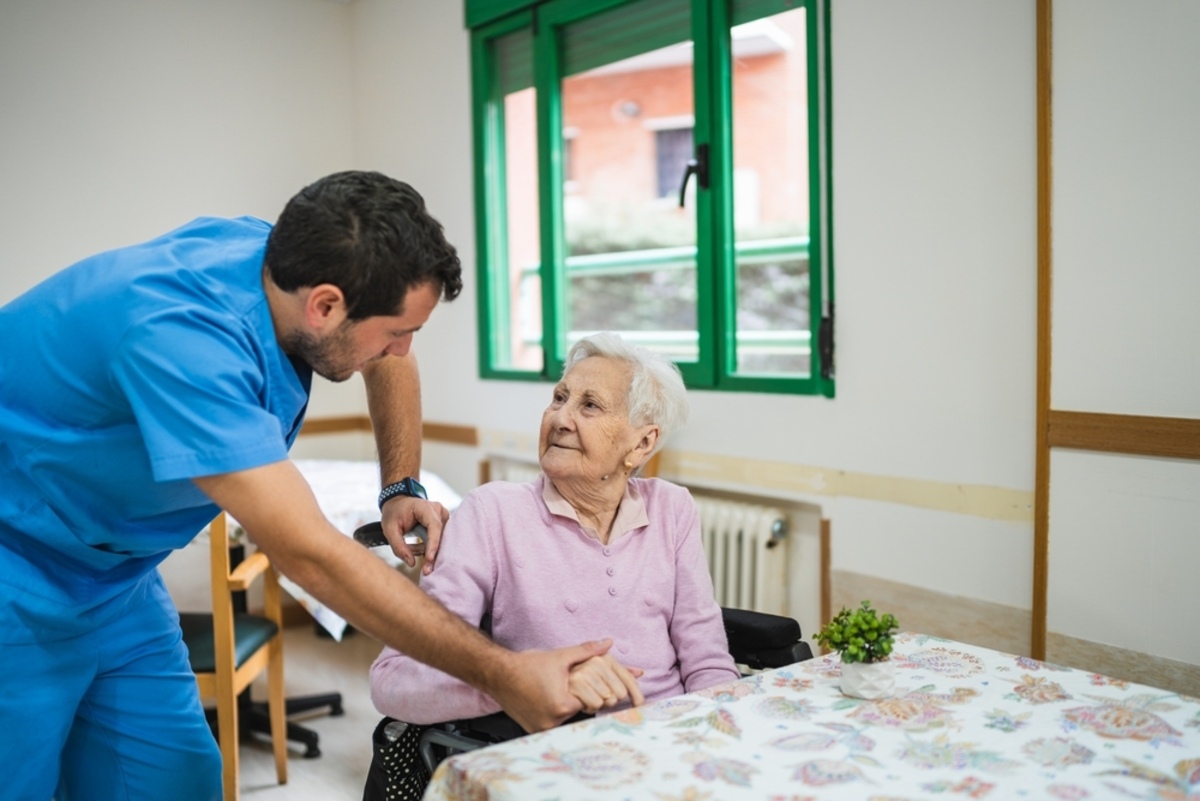
Daily Living Support According to SelectCare NYC, LPNs working in the home care setting also perform tasks related to maintaining the patient’s personal comfort and a clean, safe environment, including toileting activities, personal grooming, skin care, and other daily living support.
Observation and Reporting You observe the patient continuously, document significant findings, and communicate changes to the supervising RN. Your observations are clinical data that directly inform the overall care plan.
What an LPN Cannot Do in Home Care
Understanding the limits of your scope is just as important as knowing what you can do.
As outlined by the New York State Department of Labor, New York law does not allow LPNs to practice nursing independently, perform nursing assessments or triage, develop nursing care plans, or provide mental health counseling. LPNs are not allowed to provide clinical services that require nursing or medical assessments.
This means care plan development belongs to the supervising RN. Nursing assessments, including initial patient evaluations and triage decisions, are outside your scope. You implement the plan of care. You do not create it independently.
You can review the full scope of LPN duties in home care on our licensed practical nurse page.
How Supervision Works in Home Care
One question LPNs often have is how supervision looks when you are working alone in a patient’s home. Your supervising RN does not need to be on-site with you.
As outlined by the New York State Education Department Office of the Professions, the directing practitioner does not necessarily have to be on premises to direct an LPN where the LPN has demonstrated competence to meet the nursing care needs of the patient, the patient is highly unlikely to require personal intervention by the directing practitioner, and the directing practitioner is available by telephone or video conferencing and can personally intervene within 15 minutes to ensure timely and appropriate care.
In practice, this means you are clinically independent in your day-to-day tasks while remaining connected to a supervisory structure. You reach out when patient status changes, when you have clinical questions, or when a situation exceeds your scope.
A Typical LPN Home Care Shift
A home care LPN shift generally follows this pattern:
At the start of your shift, you review the patient’s care plan and any notes from the previous shift. You take a full set of vital signs and compare them to the patient’s documented baseline to identify any changes that need attention.
Throughout the shift, you administer medications at scheduled times, perform any wound care or catheter care required, and assist the patient with daily living activities such as bathing, grooming, and mobility support.
You document your observations and all care provided throughout the shift. You report any significant changes in patient condition to your supervising RN without delay.
At the end of your shift, you complete documentation, conduct a handoff to the incoming caregiver, and flag anything the next provider needs to be aware of before you leave.
This structure is consistent from shift to shift, which many LPNs find professionally grounding after the unpredictability of hospital or clinic work.
Why Home Care Is a Strong Career Move for LPNs
Home care is one of the most active areas of growth in nursing. According to the New York State Department of Labor, LPNs are expected to grow statewide by 24% between 2022 and 2032, with nearly 5,000 average annual openings, making home care one of the strongest sectors for long-term LPN employment.
Beyond job security, LPN home care gives you the chance to develop deep clinical expertise with medically complex patients. You build skills in wound care, tracheostomy management, catheter care, and chronic disease support. You develop strong clinical observation and documentation habits that serve you throughout your entire nursing career.
For LPNs who are considering advancing to an RN credential down the road, this experience is an excellent foundation. Read more about the private duty nurse role to understand how LPNs and RNs work together in home care environments.
What Qualifications Do You Need to Work as an LPN in Home Care?
The core requirements for LPN home care work in New York include:
- An active LPN license in New York State
- Current BLS (Basic Life Support) certification
- Strong practical nursing and communication skills
- The ability to work reliably under the direction of an RN or physician
- Prior experience in home care or clinical settings is preferred but not required by all agencies
New graduates with proper licensure and training are encouraged to apply at many home care agencies. Orientation and support are typically provided to help new LPNs transition into the home care environment successfully.
Frequently Asked Questions
Does an LPN need an RN present in the room while working in home care?
No. In New York, an LPN can work in a patient’s home without the RN physically present, provided the LPN has demonstrated competence, the patient’s needs are stable, and the supervising RN is reachable by phone or video and can intervene promptly if needed.
Can an LPN administer IV medications in home care?
In New York, LPNs generally do not administer IV push medications or IV antibody therapy. Specific IV tasks depend on the care plan, employer protocols, and the directing practitioner’s orders. Always defer to your supervising RN and your agency’s specific policies.
Can an LPN work independently as a home care nurse?
No. New York law requires LPNs to practice under the direction of an RN, physician, or other authorized directing practitioner. An LPN cannot develop care plans, perform nursing assessments, or practice independently.
What types of patients do home care LPNs typically work with?
Home care LPNs work with a wide range of patients including elderly adults managing chronic conditions, pediatric patients with complex medical needs, post-surgical patients requiring wound care and monitoring, and individuals with long-term neurological or respiratory conditions.
Is home care LPN work physically demanding?
Yes, it can be. Assisting patients with mobility, repositioning, and daily living activities requires physical effort. Good body mechanics and an awareness of your own physical limits are important for longevity in the role.
Ready to Bring Your LPN Skills Into Home Care?
The LPN home care scope of practice is meaningful, clinically rich, and personally rewarding. You administer medications, monitor patients, perform wound and catheter care, support daily living, and serve as the consistent clinical presence in your patient’s home.
If you are an LPN ready to take the next step into home care nursing, explore our licensed practical nurse opportunities and find out what positions are currently available.
Disclaimer
This article is for general informational purposes only and does not constitute legal or professional nursing advice. Scope of practice rules for LPNs vary by state and employer. Always consult your state’s Nurse Practice Act and your employing agency’s policies for authoritative guidance on what you are permitted to do in your specific role.