

What Is It Really Like to Work as an LPN in Home Care?
If you are a licensed practical nurse thinking about making the move to home care, you have probably read the job descriptions. But job descriptions do not tell you what it actually feels like to walk into a patient’s home, what the hard days look like, or why so many LPNs say home care changed their career for the better.
This is an honest look at working as an LPN in home care, including what you will love, what will challenge you, and what to expect from your first weeks on the job.
The First Thing You Notice: It Feels Different From Day One
The moment you step into a patient’s home for the first time, you feel the difference immediately. There is no nurses’ station. There is no supply closet around the corner. There is no charge nurse a few feet away.
It is just you, your patient, and your clinical training.
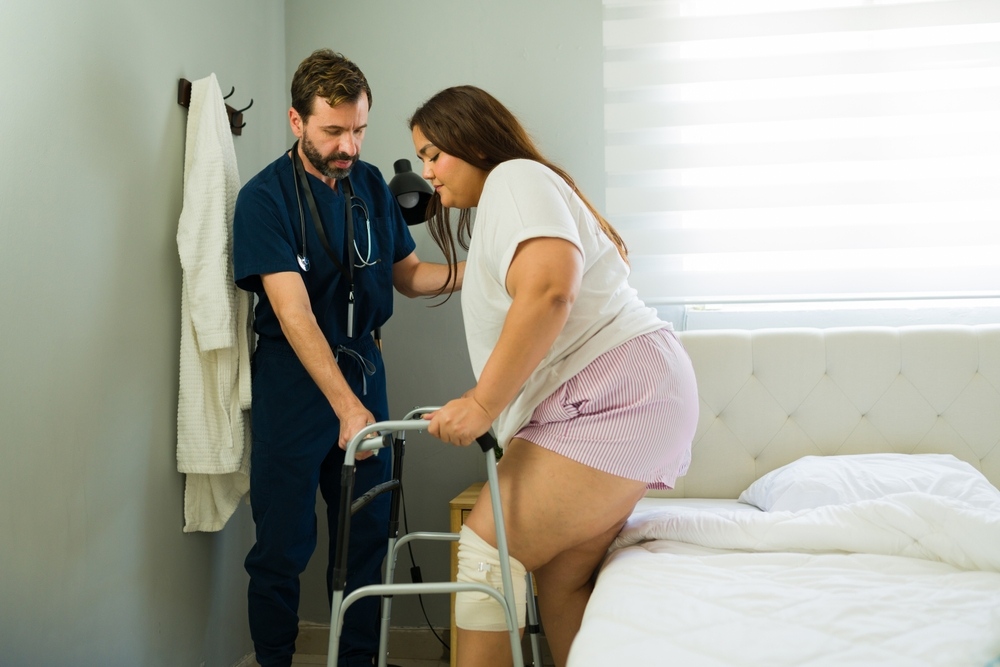
That shift in environment is both the biggest adjustment and the biggest reward of working as an LPN in home care. You are not a support staff member on a busy floor. You are the nurse. The patient and their family look to you as the primary clinical presence in their home, and that responsibility is meaningful in a way that is hard to replicate anywhere else.
What Your Typical Day Actually Looks Like
As Amedisys describes, home health LPNs provide one-on-one skilled nursing care and treatment to patients in their homes, using comprehensive and patient-specific care plans, spending quality time with the patient to promote their health and independence, and collaborating with physicians, patients, families, and other members of the care team.
In practice, a typical shift for a home care LPN looks like this:
You arrive and review the patient’s care plan and any notes from the previous shift. You take a complete set of vital signs and compare them to the patient’s documented baseline. You administer scheduled medications, perform any wound care or catheter care required, and assist the patient with daily living activities such as bathing, grooming, and mobility.
Throughout the shift, you observe, document, and communicate. If something changes, you report it to your supervising RN promptly. At the end of your shift, you complete documentation and provide a clear handoff to the incoming caregiver.
It is structured but never exactly the same twice. Patients are individuals, and no two shifts are identical.
What LPNs Love Most About Home Care
The Patient Relationships
This is what most home care LPNs say changes everything. According to BAYADA, home care is unlike many other care settings because nurses get to develop relationships with patients and families and give them their undivided attention, and nurses can work with children, adults, or seniors with a variety of diagnoses.
When you see the same patient consistently over weeks, months, or longer, you genuinely know them. You notice when something is slightly off before it becomes a clinical problem. That level of familiarity makes your care sharper and makes the work more personally rewarding.
The Autonomy
According to Health at Home, working in a home health setting gives LPNs greater autonomy and flexibility in their nursing practice. Unlike hospital or facility settings where nurses often work in structured environments, home health allows for more independence regarding decision-making and patient care.
Many LPNs who have worked in facilities describe home care as the first time they felt like a real nurse rather than one cog in a large system. That autonomy is energizing for nurses who trust their skills and want room to use them.
The Scheduling Flexibility
Home care shifts are typically offered in blocks of four to twelve hours across day, evening, and overnight coverage. You can often build a schedule that fits your life in a meaningful way. Many LPNs in home care work part-time while raising families or pursuing further education.
The Clinical Depth
Working as an LPN in home care builds skills faster than many nurses expect. You manage wound care, tracheostomy care, catheter care, medication administration, and patient education on a regular basis. That clinical variety develops competence and confidence at a pace that many facility-based roles do not match.
What Challenges to Expect
You Are the Only Eyes in the Room
The independence of home care is also its biggest challenge. When a patient’s condition changes, you are the first responder. There is no rapid response team, no attending physician down the hall, and no charge nurse to flag.
This is not something to fear, but it is something to prepare for. Strong assessment skills, clear communication habits, and a reliable relationship with your supervising RN are essential. Home care rewards nurses who take their clinical observation responsibilities seriously.
Documentation Is Entirely on You
Home care documentation is detailed and legally important. Your notes support continued authorization of services, protect you professionally, and ensure continuity of care for your patient. New home care LPNs sometimes underestimate how much time and precision documentation requires. Building strong documentation habits early makes a significant difference.
The Unpredictability of Home Environments
Hospitals are controlled environments. Homes are not. You may work in a cramped apartment, a house with stairs that complicate patient mobility, or a family environment that adds emotional complexity to your shift. Adapting to whatever the environment presents is a skill that home care LPNs develop quickly.
Building Skills Through Home Care
Working in home health as an LPN offers tremendous personal and professional growth opportunities. As Health at Home notes, nurses develop strong critical thinking and problem-solving skills as they navigate the challenges of providing care outside of a traditional healthcare facility. They also gain valuable experience in managing their time efficiently, coordinating with interdisciplinary teams, and honing their communication and assessment skills.
For LPNs who are thinking about advancing to an RN role, this experience is a powerful foundation. The clinical independence, documentation discipline, and patient relationship skills you build in home care translate directly into RN-level practice. Explore our LPN to RN bridge program to learn how working LPNs make that transition while staying employed.
What Makes a Home Care LPN Excellent at the Job
The LPNs who thrive in home care share a few consistent traits. They are strong independent observers who trust their clinical instincts. They communicate proactively, not just when something goes wrong. They are adaptable, patient-focused, and organized about documentation.
They also genuinely enjoy people. Home care is relational work. If building a real connection with your patient is something that matters to you, home care is likely a strong fit.
You can review the full scope of LPN duties and available positions to get a clear picture of what agencies look for in home care LPN candidates.
Frequently Asked Questions
Is home care LPN work suitable for nurses without prior experience?
Some agencies hire new LPN graduates for home care, particularly for lower-acuity cases. Many prefer at least six months of clinical experience. If you are newly licensed, be honest with the agency about your experience level and ask about the orientation support they provide.
Will I use my clinical skills working as an LPN in home care?
Yes, regularly. Home care LPN work includes medication administration, wound care, catheter care, tracheostomy care, vital signs monitoring, and patient education. The clinical variety is one of the most frequently cited reasons LPNs enjoy the role.
How do I handle emergencies when I am the only clinical person present?
You follow your care plan, contact your supervising RN immediately, call emergency services if warranted, and document everything. Orientation and onboarding should include emergency protocols for your specific cases. Never hesitate to escalate when a patient’s safety is at risk.
Can I choose which patients I work with in home care?
Agencies typically assign cases based on your skills, availability, and the patient’s needs. As you build a track record and express preferences, many agencies work to match nurses with cases that suit their strengths and interests.
Is working as an LPN in home care emotionally demanding?
Yes, at times. Caring for the same patient over an extended period creates genuine emotional connection. When a patient’s condition worsens or they pass away, it affects you. Many experienced home care nurses describe this emotional depth as one of the most meaningful aspects of the work, even when it is difficult.
Ready to Find Out for Yourself?
Working as an LPN in home care is challenging, rewarding, and deeply human. It builds clinical skills, professional independence, and patient relationships that few other nursing environments can match.
If you are ready to explore what home care LPN work looks like in your area, visit licensed practical nurse opportunities and see what positions are currently available.
Disclaimer
This article is for general informational purposes only and does not constitute professional nursing or career advice. Role expectations, compensation, and working conditions vary by employer, state, and patient care setting.